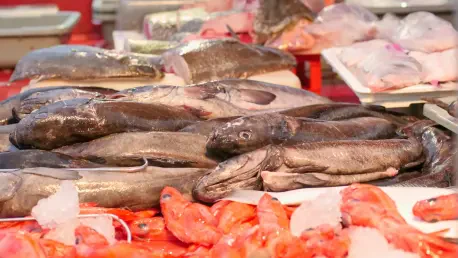

A shopper standing before a sprawling display of crushed ice and glistening fillets encounters a bewildering array of stickers, QR codes, and geographic origin labels that transform a simple dinner choice into a complex moral interrogation. Every year, thousands of well-intentioned individuals find themselves paralyzed by this sea of colorful labels and conflicting certifications. While it is remarkably simple to grab a carton of eggs or a package of chicken with little mental gymnastics, the seafood aisle demands an exhaustive level of interrogation. A buyer must wonder if the fish was wild-caught or farm-raised, and whether it has been “green-listed” by a prestigious aquarium or “red-listed” by an environmental advocacy group. This overwhelming informational burden has created an unexpected consequence where many consumers, fearing they might make the “wrong” choice, simply walk away from the counter. They often opt for land-based proteins that are far easier to understand but frequently less environmentally friendly.
The current retail environment reflects a growing gap between scientific sustainability and consumer comprehension. Marine conservationists have successfully pushed for higher standards, yet the language used to communicate these standards has become increasingly specialized. When a shopper is faced with twenty different types of shrimp, each with a different country of origin and fishing method, the decision-making process breaks down. This paralysis of choice does not just hurt the seafood industry; it undermines the very environmental goals these labels were designed to support. If the barrier to entry for sustainable eating is a graduate-level understanding of marine biology, the average person will naturally default to the path of least resistance.
The Paradox of Choice at the Seafood Counter
The psychological weight of making a perfectly ethical choice has turned the grocery store into a high-stakes environment. In the past, the primary concern for a seafood buyer was freshness and price, but the modern era has introduced a dozen other variables that require constant monitoring. Because the seafood supply chain is global and incredibly fragmented, the information provided at the point of sale is often incomplete or contradictory. One label might celebrate the low carbon footprint of a specific trout, while another organization might flag the same fish for the type of feed used in its production. This creates a state of “choice overload” where the brain ceases to process the benefits and instead focuses on the potential for error.
Moreover, the disparity between how we shop for land-based meat and how we shop for fish is startling. The beef, pork, and poultry industries benefit from a high degree of standardization and a limited number of species. A consumer knows what to expect from a chicken breast regardless of the brand. In contrast, the seafood market comprises thousands of species, each with unique life cycles, habitat concerns, and harvesting regulations. This diversity is a biological wonder but a retail nightmare. Without a simplified way to aggregate this data, the consumer is left to act as a private investigator, a role most people are unwilling to perform while trying to get dinner on the table before sunset.
From Fish Populations to Global Ethics: Why the Rules Changed
The definition of sustainability has undergone a radical transformation, moving far beyond the simple goal of preventing overfishing. Historically, the concern was purely ecological, focused on maintaining healthy fish stocks and protecting marine habitats from physical damage. In the current market, the scope has expanded to include a triple bottom line that encompasses human rights, labor practices, and total carbon footprints. This shift reflects a more honest and holistic accounting of global trade, but it has also added layers of complexity that the average person is ill-equipped to navigate. Choosing a fish today is no longer just about the species; it involves questioning whether the vessel crew had high-speed Wi-Fi to report labor abuses or how the carbon output of a specific fillet compares to a terrestrial alternative.
This expansion of criteria means that a fishery might be managed perfectly from a biological perspective but still fail a sustainability audit due to social or logistical issues. For example, a healthy population of crab might be red-listed because the gear used to catch them poses a risk to migrating whales, or because the processing facility does not meet international labor standards. While these are vital considerations for a healthy planet, they are difficult to communicate through a two-inch sticker. The narrative has shifted from “is there enough fish left in the sea?” to a sprawling discussion about global equity and atmospheric chemistry, leaving the shopper caught in the middle of a systemic debate.
The Evolution of Metrics and the “Guilty Until Proven Innocent” Trap
Early attempts to simplify sustainability through “traffic light” rating systems were successful in raising awareness, yet they may have backfired by creating an atmosphere of persistent fear. For decades, these green, yellow, and red ratings focused on a few high-profile species like tuna and salmon. However, as the system grew to include more obscure species, it reinforced a “guilty until proven innocent” mentality. When a consumer sees a red label, the natural reaction is to avoid the entire category rather than seeking out a green alternative. This has led to a phenomenon known as sustainability fatigue, where the constant influx of negative information causes people to disengage from the market entirely.
The industry now faces a unique challenge in correcting this defensive posture. Because the meat industry is so consolidated, it rarely faces the same level of granular public scrutiny species-by-species. No one stands in front of the beef case wondering if this specific cow was “yellow-listed” due to its methane output, because the standard for beef is generally accepted as a singular unit. In seafood, the lack of a unified standard across thousands of products means that every purchase feels like a test. This fragmentation makes it nearly impossible to build brand loyalty or consumer confidence, as the rules of the game seem to change with every new scientific report or documentary release.
Comparing Proteins: Why Expert Perspectives Favor the Fin over the Hoof
Despite the confusion at the retail level, environmental data and expert analysis suggest that seafood is often the superior choice when measured against terrestrial proteins. When evaluating greenhouse gas emissions, land-use alteration, freshwater consumption, and antibiotic use, seafood frequently outperforms beef, pork, and poultry by a significant margin. Renowned chefs and industry advocates point out a startling reality that is often missed in the grocery aisle: even a “yellow-listed” or “red-listed” seafood option can be a more sustainable dinner choice than a standard piece of factory-farmed beef. The environmental footprint of a wild-caught fish, even one with management flaws, rarely approaches the massive land and water requirements of industrial cattle ranching.
The challenge lies in the fact that this nuanced comparison is rarely communicated effectively to a shopper who is looking for a simple “yes” or “no.” Most sustainability ratings compare one fish to another fish, rather than comparing a fish to a steak. If the goal is to reduce the overall environmental impact of a diet, the focus should arguably be on shifting consumption away from high-impact land animals and toward the ocean. However, because the seafood industry is held to a much higher transparency standard than the poultry or beef sectors, it often appears more problematic to the public. The industry is essentially being penalized for its own transparency, as it provides the very data that advocacy groups use to criticize it.
Shifting the Burden: Practical Strategies for Passive Sustainability
The path forward involved moving the responsibility of ethical decision-making away from the individual shopper and onto the industry and retailers. Rather than requiring every consumer to become an expert in marine biology and international labor law, the goal became one of passive sustainability. This meant ensuring that the available supply chain met a high baseline of responsibility before the product even reached the shelf. Shoppers simplified their experience by adopting a few specific strategies, such as prioritizing American-caught seafood. The United States maintains some of the strictest fishing regulations in the world, providing an inherent level of protection that many imported products cannot guarantee.
Experts suggested that consumers should look for institutional safeguards like the Alaska Model, where sustainability was written directly into the state constitution. By trusting reputable “curator” retailers who performed the vetting process on behalf of their customers, shoppers supported responsible fisheries without the mental exhaustion of decoding a dozen different labels. The focus shifted toward a system where the “wrong” choice was simply not an option on the shelf. This transition helped bridge the gap between complex science and daily convenience, allowing for a more resilient and trusted food system. Future progress will likely depend on maintaining these high standards while making the act of buying fish as effortless as buying a loaf of bread.