
Navigating the Trade-off Between Employee Wellness and Fiscal Sustainability
The long-standing belief that corporate success depends on ever-expanding employee perks is facing its most rigorous stress test in decades as American companies recalibrate their spending priorities. The American workplace is currently navigating a period of profound transition where the once-unquestioned expansion of family-centric benefits is colliding with the harsh realities of rising operational overhead. For the first time in years, the standard for what constitutes a competitive benefit package is moving toward consolidation rather than growth. This analysis seeks to untangle the complex motivations behind these shifts, exploring how organizations are leveraging state programs and data-driven assessments to redefine the social contract with their employees. By examining the current fiscal climate, this analysis provides a window into the evolving strategies that attempt to harmonize high-level human resource objectives with the unforgiving requirements of the balance sheet.
The prevailing trend suggests that the “war for talent,” which previously dictated the implementation of ultra-generous parental leave policies, is being redefined by the bottom line. As organizations face the challenge of maintaining financial health while supporting a diverse workforce, the focus is shifting from the quantity of time off to the efficiency of the overall benefit spend. This article aims to explore the multifaceted reasons behind these adjustments, the corporate entities leading the trend, and the broader legal and strategic implications for the modern workforce.
The Economic Catalyst Behind Benefit Realignment
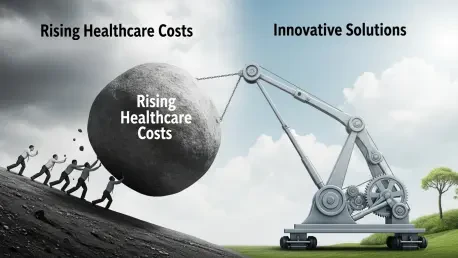
The escalating cost of healthcare remains the primary driver behind this systemic benefit realignment. As organizations prepare their budgets for upcoming fiscal cycles, they are encountering healthcare premiums that are climbing at rates significantly higher than general inflation. This surge forces financial leadership to evaluate every line item under the umbrella of total compensation. Historically, generous leave policies were often established during periods of low interest rates and high competition for specialized talent, but the present environment demands a more clinical approach to sustainability. When the cost of keeping an employee healthy rises by double digits, other non-mandatory expenditures inevitably face downward pressure.
This shift marks a departure from the “growth at all costs” philosophy to one focused on operational efficiency. Internal mandates now frequently require human resources departments to identify benefits that exceed the “market norm” without providing a specific, measurable return. If a corporation’s parental leave policy is significantly more generous than the regional or industry average, it is increasingly viewed as an unnecessary financial liability. This creates a cascade effect where companies move in tandem toward a leaner, more standardized version of employee support. The goal is no longer to offer the most leave in the industry, but to offer just enough to remain competitive while protecting the organization’s long-term financial viability.
The Corporate Shift Toward Leaner Benefit Packages
Trimming the “Generosity” in High-Profile Organizations
In the current market, even those industries once famous for their ultra-permissive benefits are beginning to scale back. High-profile technology and service firms have initiated a process of “right-sizing” their leave policies to better mirror the broader market. For example, some organizations that previously offered six months of fully paid leave for birthing parents have reduced that window to eighteen weeks, while leave for non-birthing parents has seen similar proportional cuts. These adjustments are often framed not as a lack of support, but as a necessary step to ensure the long-term health of the enterprise in a more volatile economic theater.
Furthermore, internal restructurings are resulting in tiered benefit systems where the duration of leave may depend on the specific role or professional level within the company. By narrowing the scope of high-cost benefits, companies can preserve capital for other essential functions like research and development or debt reduction. This strategic retreat from “peak generosity” highlights a broader realization that perks alone cannot sustain a company if the underlying financial structure is threatened by soaring insurance and medical costs.
The Impact of State-Mandated Programs on Private Policy
The proliferation of state-level paid family leave programs has fundamentally changed the calculation for private employers. With fourteen states and the District of Columbia now offering mandatory paid family leave systems, corporations are finding that they no longer need to bear the entire financial burden of these benefits alone. Many firms are now choosing to “wrap” their private policies around these state mandates, effectively using the public benefit as the floor and reducing their own direct contributions. This transition has normalized a twelve-week leave period as a standard baseline, allowing companies to pivot their resources toward other areas of the compensation package.
The reliance on state-funded infrastructures allows companies to maintain a respectable benefit posture while significantly lowering their direct financial liability. This alignment effectively creates a public-private partnership where the state handles the basic income replacement and the company provides a smaller, supplemental top-off to reach the employee’s full salary. As more states adopt these programs, the pressure on the private sector to provide standalone, long-duration leave is likely to diminish, leading to a more homogenized national standard centered around state-approved timelines.
Strategic Tiering and the ROI of Retention
While some firms are cutting back, others are adopting a nuanced approach that prioritizes the return on investment associated with retention. Data consistently shows that the cost of replacing a high-skilled professional—including recruiting, onboarding, and the loss of institutional knowledge—often exceeds the cost of a few additional weeks of paid leave. Consequently, some organizations are utilizing leave duration as a targeted retention tool, ensuring that their most essential talent remains tethered to the organization through major life transitions.
Despite the move toward leaner packages, the most successful firms recognize that total benefit elimination is not a viable strategy. Instead, they are analyzing post-leave attrition rates to determine the “sweet spot” for leave duration. For many, maintaining a robust policy for frontline or essential workers is a defensive move against the high costs of employee turnover. This creates a complex landscape where the financial savings of a cut must be weighed against the long-term expense of a talent drain.
Future Projections for the Workplace Benefit Landscape
Looking toward the horizon, the landscape of workplace benefits will likely be defined by a push for federal standardization. There is a growing consensus that the current patchwork of state laws creates an administrative burden that many national corporations find unsustainable. A federal floor would provide the predictability that businesses crave while ensuring a level of equity across different geographic regions. Such a move would allow companies to plan their long-term benefit expenditures with greater certainty, potentially slowing the trend of reactionary cuts.
Furthermore, the concept of “flexible benefit architecture” is expected to gain traction. In this model, employees may be able to trade off certain insurance coverages for extended leave, or vice versa, allowing for a level of personalization that addresses individual needs without increasing the total cost to the employer. Technological advancements in benefit administration platforms will likely facilitate this shift, making it easier for human resources departments to manage complex, individualized packages that cater to a multigenerational workforce.
Strategic Recommendations for Employers and Professionals
For organizations attempting to navigate these waters, the path forward requires a blend of transparency and rigorous data analysis. Businesses should perform a comprehensive gap analysis to determine how their current offerings compare to both state mandates and industry benchmarks. It is vital to communicate these changes clearly, explaining the economic rationale to prevent an erosion of employee trust. By involving staff in the conversation about benefit priorities, companies can ensure that the most valued perks are preserved even during periods of fiscal tightening.
Professionals, on the other hand, should stay informed about the shifting “market norm” and advocate for benefits that support long-term career sustainability. Understanding how a company’s benefit structure aligns with long-term goals is becoming just as important as the base salary in a market where “invisible” benefits are increasingly subject to change. Best practices suggest that maintaining a “sustainable balance” is the most effective way to support a diverse workforce while ensuring operational consistency.
Balancing Human Capital with Financial Reality
The investigation into the current recalibration of parental leave revealed a complex intersection between fiscal necessity and human capital management. It became clear that the double-digit rise in healthcare expenses acted as the primary catalyst for a more conservative approach to employee benefits across multiple sectors. The data indicated that while top-tier generosity was being trimmed, the twelve-week standard emerged as a sustainable equilibrium for the majority of the private sector. The analysis highlighted that state-level infrastructures provided a safety net that allowed corporations to reduce direct liabilities without completely abandoning their support for working families.
Moving forward, the focus must shift toward creating a federal framework that mitigates the administrative complexity of state-by-state compliance. Organizations that prioritized clear communication during these transitions often maintained higher levels of employee morale than those that implemented cuts without contextual explanation. Future strategies will likely emphasize the need for modular benefit packages that can adapt to different life stages. For the modern professional, the value of a prospective employer now depends on the resilience and transparency of its benefit structure rather than the sheer length of its leave policy. Success in this evolving market required a deep understanding of how to protect both the financial bottom line and the human element of the business.