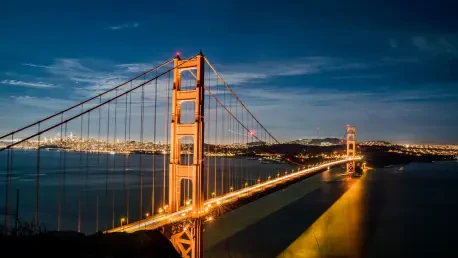

While cleaner streets are encouraging a return of shoppers, the city must still address the underlying social realities that affect the overall retail climate for business. This tension between visible progress and deep-seated structural issues defines the current era of San Francisco’s urban evolution. As the city navigates through 2026, the retail sector is witnessing a bifurcated recovery that favors high-traffic luxury zones while leaving others behind. Current data indicates that foot traffic in major shopping corridors has rebounded significantly compared to the stagnant levels seen in previous years, yet the qualitative experience for consumers remains inconsistent. City officials have funneled resources into sanitation and safety ambassadors, which has successfully lured some national brands back to the downtown core. Nevertheless, the presence of visible homelessness and the lingering perception of public disorder continue to complicate the narrative of a total urban resurgence. The path forward involves a delicate balance of aggressive infrastructure investment and compassionate social policy.
Economic Drivers: The Resurgence of Luxury Hubs
Revitalizing the Union Square Core
The physical and economic center of the city’s retail hopes, Union Square, has demonstrated a remarkable ability to pivot in response to shifting market demands. Real estate analysts have observed a significant decline in vacancy rates, which have dropped from a staggering peak of 23 percent to a more manageable 15 percent as of mid-2026. This contraction is not merely a return to old habits but represents a strategic remodeling of the district’s identity. High-end boutiques and legacy department stores are increasingly investing in flagship models that offer exclusive, in-person experiences that cannot be replicated through online commerce.
This shift has successfully drawn a more affluent demographic back to the area, bolstering the local tax base and providing a much-needed boost to the surrounding hospitality industry. While the vacancy rate still sits above the 6.4 percent recorded in 2019, the current trajectory suggests that the bottom has been reached and a new, more resilient baseline is being established for the city. Major retailers are no longer just looking for floor space; they are seeking environments where the surrounding streetscape matches the prestige of their brand, leading to a concentrated effort to maintain the area’s aesthetic and functional integrity.
Proactive Safety: Enhancing the Shopper Experience
A major catalyst for this revitalization has been the measurable reduction in retail theft and a more visible police presence in key areas. Businesses report that the improved security environment has allowed them to scale back the more intrusive safety measures that once made storefronts feel like fortresses. This transition has created a more welcoming atmosphere for both domestic shoppers and international tourists, who had previously cited safety as their primary concern when visiting downtown. The psychological impact of a safer streetscape is often as valuable as the physical reduction in crime.
Furthermore, the reduction in crime has had a direct impact on employee retention and satisfaction. Retail workers express a higher sense of security, which translates into better customer service and a more vibrant retail culture. Industry analysts view this stabilization as a crucial vote of confidence from the private sector. Major brands like Uniqlo are now proceeding with flagship expansions on Market Street, signaling that the perceived risks of operating in the city are finally being outweighed by the rewards. This trend of reinvestment suggests that the city is successfully shedding its recent reputation for instability.
Lingering Obstacles: The Struggle for Uniformity
Geographic Disparities: The Challenge of Market Street
Despite the tangible gains seen in Union Square, the recovery remains uneven as one moves toward the Embarcadero. This stretch of Market Street continues to grapple with higher vacancy rates and more pronounced social challenges, including mental health crises and homelessness. Local entrepreneurs note that while the city has made strides in cleaning the streets, the underlying human issues require more than just power-washing; they necessitate a long-term commitment to social services. The stark contrast between the pristine blocks of the luxury core and the distressed areas nearby remains a deterrent for many investors.
The disparity between these zones creates a fragmented experience that can deter investment in the very areas that need it most. Commercial brokers remain hesitant to recommend long-term leases in corridors where public disorder is still a daily occurrence. Consequently, the city faces a “chicken and egg” problem: investment is needed to revitalize the street, but that investment is often contingent on the street being revitalized first. Bridging this gap remains a top priority for city planners who want to ensure that the recovery is not limited to a few elite blocks but extends across the entire downtown area to create a unified economic zone.
Future Strategies: Implementing Structural Solutions
Stakeholders recognized that structural changes were necessary to break the cycle of “ghost vacancies,” where empty storefronts remained locked in long-term leases that prevented new tenants from moving in. By incentivizing landlords to buyout stagnant contracts and re-lease to emerging local businesses, the city fostered a more dynamic commercial ecosystem. This proactive approach was complemented by the forty-two million dollar Powell Street improvement project, which successfully enhanced the aesthetic appeal of the transit corridor and prompted renewed interest from international retail brands.
Moving forward, the city prioritized mixed-use developments that integrated residential and commercial spaces to ensure constant foot traffic throughout the day. City planners recommended that future retail strategies focus on diversifying the tenant mix to include more health, wellness, and entertainment options that offered services beyond traditional shopping. By addressing both the physical infrastructure and the social foundations of the urban environment, San Francisco established a roadmap for other metropolitan areas navigating their own economic transitions. The focus remained on creating a sustainable and inclusive urban core that could withstand future market fluctuations.