

The Cuban peso's purchasing power remains under heavy fire as informal market rates for hard currency stay significantly higher than what the state can provide. In the current economic climate of 2026, the divergence between official government figures and the reality of street-level commerce has

The platform's evolution from a simple web tool into a comprehensive financial ecosystem reflects the growing demand for accessible high-level quantitative analysis. In the current landscape of 2026, financial technology has reached a point where the barrier between retail investors and
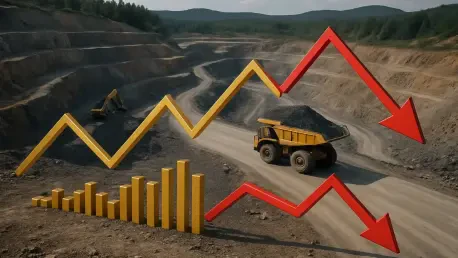
The transition to a green economy has created a policy-driven demand environment that favors companies with domestic supply chains and strategic infrastructure. Historically, the natural resource sector operated on a relatively simple premise: buy mining stocks when commodity prices rose and sell

While the New Zealand dollar remains a top performer year-to-date, its massive negative real interest rate continues to fuel intense speculative selling pressure. This paradox illustrates a broader trend across global finance where official policy rhetoric increasingly clashes with the cold reality

The 30-day public comment period on the FTC’s proposed rules highlights a growing conflict between corporate data utilization and the right to price transparency. For decades, the retail landscape operated on a visible foundation where a single product held a single price for every visitor in a

Because market sentiment is currently overwhelmingly bullish, Leon Cooperman suggests that any significant negative economic news could trigger a massive and rapid sell-off. This warning comes at a time when the investment community appears to be operating under a cloud of irrational exuberance,