
The global financial landscape has shifted into an era where systemic unpredictability serves as the primary driver of market movements, rendering traditional long-term forecasting models increasingly obsolete. Investors now navigate a reality where a single localized conflict or a sudden change in
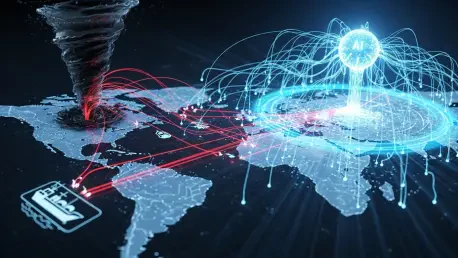
The current instability in energy markets has forced global economies to rethink the fragility of fossil fuel dependency as geopolitical tensions threaten traditional supply routes and production capacities. While the specter of a massive oil shock looms, a technological buffer is emerging in the
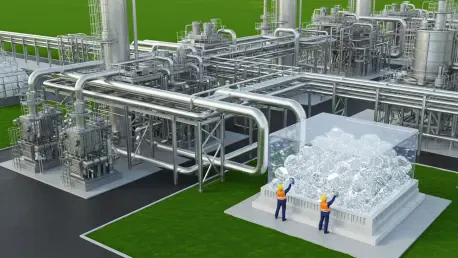
Global industrial stability now hinges on a razor-thin margin where geopolitical friction and the hunger for green technology collide at the heart of the international trade landscape. World Bank President Ajay Banga and Japanese Finance Minister Satsuki Katayama have responded to this volatile
The democratization of financial markets has reached a critical juncture where sophisticated algorithmic trading systems are no longer the exclusive property of high-frequency firms or elite quantitative researchers. In the current economic climate, retail investors have widespread access to

The Commonwealth Bank of Australia often serves as the primary indicator for the nation's broader financial vitality, yet a recent decline of 0.63 percent to $163.73 highlights the growing sensitivity of the market to shifting economic forecasts. As the largest lender by market capitalization, the

The global financial ecosystem is currently navigating a period of intense turbulence as major economies implement restrictive trade policies that have effectively dismantled years of collaborative industrial growth. This shift toward protectionism has triggered a widespread sell-off across