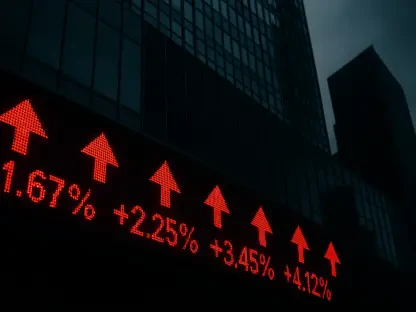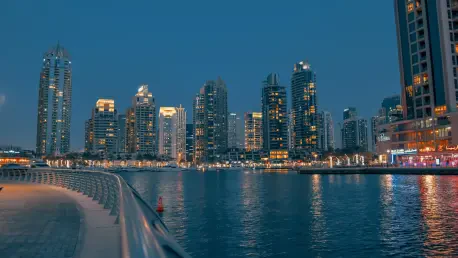

The sheer velocity of transactions within Dubai’s real estate sector has reached a fever pitch as international investors scramble to secure a stake in the city’s rapidly expanding luxury landscape before foundations are even laid. This surge is not merely a byproduct of speculative enthusiasm but rather a fundamental shift in how global capital perceives the Emirate as a long-term sanctuary for wealth. Off-plan properties, once viewed with caution due to historical delivery concerns, have evolved into the preferred vehicle for high-net-worth individuals seeking tailor-made opulence. Developers have responded by launching increasingly ambitious projects that redefine the concept of residential living, integrating smart city technologies and bespoke architectural designs that cater to an elite demographic. Consequently, the traditional barriers between commercial hubs and residential sanctuaries have blurred, creating a dynamic environment where the announcement of a new tower often results in a total sell-out within hours. This trend indicates that the market has matured significantly, moving away from short-term flipping toward a more stable, value-driven investment strategy that prioritizes quality and brand reputation.
Economic Resilience: The Power of Regulatory Reforms
Regulatory evolution has played a pivotal role in sustaining this momentum, particularly through the expansion of long-term residency programs that decoupled property ownership from traditional employment constraints. The Golden Visa initiative, coupled with a tax-efficient environment, has incentivized a massive influx of entrepreneurial talent and private equity from Europe, Asia, and North America. Investors are increasingly prioritizing capital appreciation potential over immediate rental yields, recognizing that the current development cycle offers a unique window to acquire assets at entry points that remain competitive compared to London or New York. Furthermore, the implementation of more stringent escrow account regulations and developer transparency laws has effectively mitigated the risks associated with uncompleted projects, instilling a newfound confidence. As institutional investors transition from liquid assets toward tangible real estate, the competition for prime coastal plots has intensified, driving a significant uptick in the valuation of off-plan contracts across the city.
Digital Infrastructure: Shaping the Future Living Experience
The market successfully addressed the growing demand for sustainability and integrated technology by embedding these elements into the very fabric of new residential blueprints. Stakeholders moved beyond aesthetic luxury to provide homes that utilized advanced climate-control systems and renewable energy sources, ensuring that long-term operational costs remained low while environmental footprints were minimized. Investors who navigated this landscape focused on projects with verified ESG credentials, as these assets demonstrated the highest resilience against market fluctuations. The strategy involved diversifying portfolios to include branded residences, which offered a layer of prestige that appealed to the global nomadic elite. Those who anticipated the convergence of lifestyle and technology secured positions in developments that featured high-speed connectivity and private digital workspaces. Ultimately, the emphasis shifted toward high-quality construction and management, which solidified the reputation of the market as a top destination for secure investment.