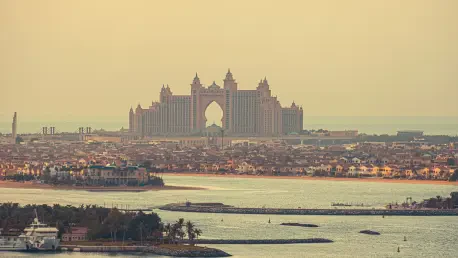

The vision for modern financial infrastructure focuses on making money flow by unifying accounts, cards, and payments into a single, high-visibility ecosystem. This evolution is perhaps nowhere more visible than in the rapid transformation of Limassol, which has successfully pivoted from its

Relying on high-speed consumer credit to cover unexpected expenses like medical bills or car repairs necessitates a rigorous assessment of one's long-term repayment capacity. The modern financial landscape has undergone a radical transformation, moving away from the cumbersome, paper-heavy
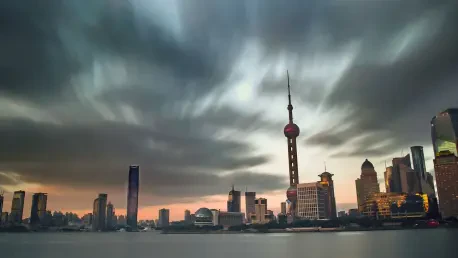
By separating old and new land acquisitions, the four first-tier cities are providing a predictable roadmap for developers to exit the high-risk pre-sale cycle. This tectonic shift in the Chinese property landscape represents the most significant structural overhaul since the mid-1990s,
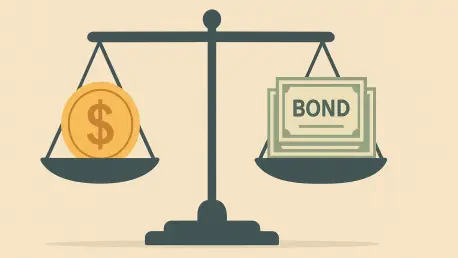
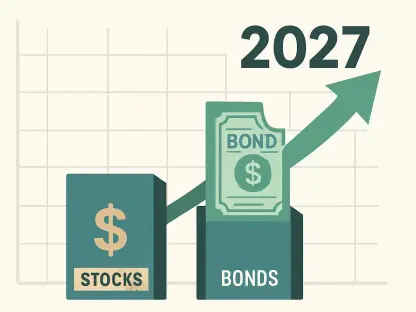
Intermediate-duration bonds ranging from two to seven years allow investors to capture high yields while minimizing exposure to long-term fiscal risks. The current financial climate is defined by the sunset of zero-interest-rate policies, replaced by a robust marketplace where the 10-year Treasury
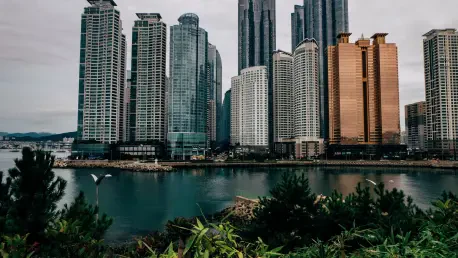
Finance Minister Lee Hyung-il has characterized the currency's climb as a return to stability following a period where the rate was detached from the country's actual health. This robust upward movement marks a significant departure from historical trends where the South Korean won typically

Navigating a volatile financial landscape requires more than just reactive management; it demands a robust infrastructure capable of sustaining growth even when broader market conditions appear increasingly unpredictable. The recent disclosure of interim financial results for the six-month period