
Mississippi's current economic landscape shows a dichotomy between high-level fiscal management successes and the ongoing struggle to raise the state's wealth indicators. This tension is particularly evident in the recent reassessment of the state’s financial instruments, which highlights a
A transition to growthflation means the national economy will likely see mid-two percent GDP growth while inflation remains stuck in the mid-three percent range. This unique economic environment represents a significant shift from traditional cycles where inflation usually cools as growth slows.
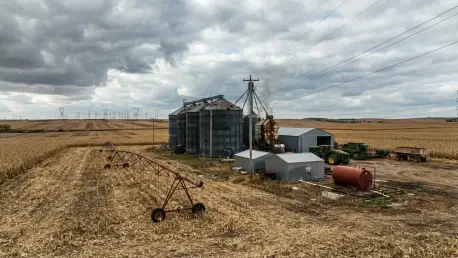
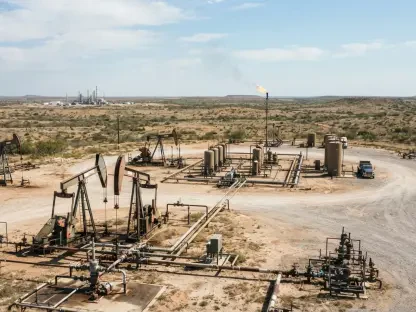
Hostilities affecting Saudi Arabian energy infrastructure have disrupted global shipping lanes, leading to indirect price hikes for the petroleum-based inputs used in modern farming. As Brent crude surges past $113 per barrel and West Texas Intermediate hovers near $100, the domestic agricultural

The current wave of unrest in Europe represents a systemic eruption caused by the failure of political structures to adapt to a high-debt, post-inflationary global economy. As the final months of 2026 unfold, the continent finds itself grappling with a level of civil disobedience that transcends

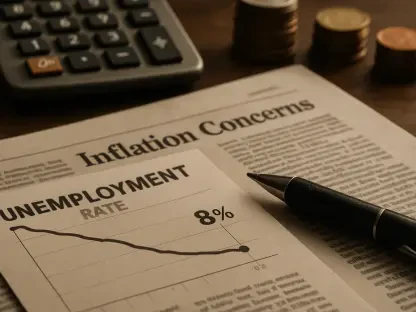
Core inflation excluding volatile food and energy prices hovered at 2.8% in September, signaling that reaching the 2% target will take longer than expected. This persistent price pressure has forced the Bank of Korea to maintain a vigilant stance, keeping the benchmark interest rate steady at 3.00%

A modest 25 basis point hike by the Federal Reserve in September 2026 triggered a measurable increase in average credit card interest rates within weeks. This sudden adjustment underscores the extreme sensitivity of the consumer credit market to central bank policy, particularly as the national