
As global food systems face unprecedented strain from erratic weather and rising temperatures, the need for a radical shift in how we grow and consume food has never been more urgent. We are joined today by an expert in climate-resilient agriculture who specializes in the revitalization of traditional crops and the integration of sustainable farming practices. This conversation explores the staggering economic impact of natural disasters on global yields, the risks of our over-reliance on a handful of staple crops, and the innovative strategies being used to connect smallholder farmers with modern markets. We also delve into the vital role of knowledge transfer in transforming “invasive” species into nutritional lifelines and the importance of preserving cultural heritage through biodiversity.
With annual agricultural losses from natural disasters doubling over the last three decades, how would you describe the current vulnerability of our global food infrastructure?
The reality we are facing is quite stark when you look at the sheer scale of the financial and physical devastation. Currently, the average annual cost of agricultural losses due to natural disasters has surged to $144 billion, a figure that reflects the increasing frequency of extreme weather events. In the five years leading up to 2026, we have seen drought-related disruptions to the food and beverage supply chains skyrocket by 250 percent. This creates a precarious situation for major exporters; for instance, the intense heat and shifting rain patterns are making it incredibly difficult to maintain livestock and grow staples like soybeans and maize in regions like Brazil. If we don’t transform our methods within the next 30 years, our current system simply won’t be fit for its purpose, as the heavy reliance on a few concentrated production hubs makes the entire global population vulnerable to local climate shocks.
A significant portion of the world’s food production relies on just nine plant species. What are the long-term risks of this lack of biodiversity, and how does diversifying crops offer a solution?
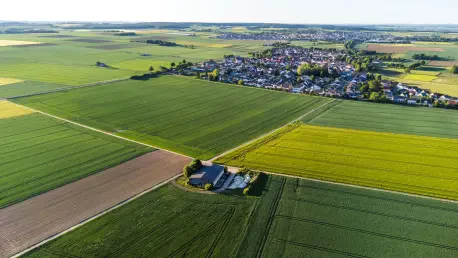
By 2014, nearly 70 percent of all global crop production for human consumption was derived from just nine main species, a trend that has created a dangerous biological bottleneck. When you have vast monocrops of maize or rice stretching across the horizon, you are essentially providing an all-you-can-eat buffet for pests and diseases, which can wipe out entire harvests in one season. Transitioning toward a more varied agricultural landscape means revitalizing thousands of neglected traditional crops like sorghum, manoomin, and jackfruit, which have evolved to survive in specific, often harsh, environments. This diversification acts as a natural insurance policy; it builds a more sustainable system where if one crop fails due to a specific pest or heatwave, others remain standing. Beyond the environmental safety net, it allows consumers to reconnect with foods that hold deep cultural significance and offers a richer palette of flavors and nutrients.
For many farmers, the transition to traditional or climate-resilient crops is a financial risk. What practical steps can be taken to make this shift more economically viable for smallholders?
The primary hurdle for any farmer is the bottom line, as the financial return on traditional grains is often perceived as too low compared to subsidized monocrops. We address this by creating direct pipelines to specialty food and ingredient markets that value these unique varieties and are willing to pay a premium for them. A great example of this is seen with black soybeans in the Himalayan regions; while they weren’t as popular locally, connecting those smallholder farmers to Japanese and Korean restaurants in the area significantly boosted their income. Additionally, we promote intercropping, such as planting black soybeans alongside finger millet, which can increase yields by roughly 5 percent while naturally replenishing the soil. Diversifying into high-value products like apples can also provide a dual benefit: they fetch higher prices on the market and the trees themselves serve as a physical barrier to mitigate soil erosion.
You’ve mentioned that “agricultural knowledge is often fragmented.” How can we bridge the gap between traditional wisdom and modern scientific data to ensure these resilient crops are grown successfully?
The loss of knowledge is a silent crisis, often driven by the fact that younger generations are leaving rural areas for more stable professions, just as I once did before returning to the trade. We frequently see situations where vital technical or scientific data is simply unavailable in local languages, creating a barrier for the very people who need it most. The story of the prickly pear is a perfect illustration of this; in Mexico, it is a culinary staple used in everything from tacos to juice, but in other arid regions like Tunisia or Madagascar, it was long viewed as a hostile, invasive weed. Without the cultural knowledge of how to handle its spines, you are left with a plant that is painful to harvest rather than a nutritional lifesaver. When organizations like the FAO published reports detailing how to use this cactus to restore soil health and prevent famine, it codified that “latent knowledge” and allowed it to scale across different geographies.
As we look toward the next decade of agricultural development, what is your forecast for the role of traditional crops in the global diet?
I believe we are entering an era where “niche” crops will become the new staples as we move away from the fragility of the 20th-century monoculture model. Last year, in 2025, we saw a flagship program in India successfully push millet production to 18 million tonnes, proving that with the right policy support and market connection, traditional grains can return to the mainstream. We will see a shift where the world’s food systems become a mosaic of localized solutions, respecting the “pockets of knowledge” that have existed for centuries. Technological integration will continue to happen, but the real success will come from our ability to value biodiversity not just as a survival strategy, but as a source of community identity and culinary pride. Ultimately, our plates will look much more diverse, featuring hardy, nutrient-dense foods that can withstand the heat while telling a story of resilience.
Do you have any advice for our readers?
I would encourage everyone to start by diversifying their own kitchen cabinets and supporting local markets that prioritize heirloom or traditional varieties. Every time you choose a climate-resilient grain like sorghum or millet over a standard staple, you are sending a market signal that supports a farmer who is taking a risk on biodiversity. Real change in the food system is driven by consumer demand, so be curious about where your food comes from and the history behind it. By expanding your palate, you are directly contributing to a more stable and resilient global food future.