
Meteorologists describe the current El Niño as a wrecking ball that is scrambling traditional weather patterns and threatening the stability of the global agricultural infrastructure. This atmospheric phenomenon, driven by the persistent warming of sea surface temperatures in the central and eastern Pacific Ocean, has moved beyond a seasonal concern to become a primary driver of global economic volatility in 2026. With supply chains already fragile due to the lingering effects of the war in Iran and shifting trade alliances, the onset of this “super” cycle introduces a level of unpredictability that markets are struggling to price effectively. The surge in ocean heat has created a feedback loop, intensifying storm systems and shifting jet streams in ways that often bypass traditional forecasting models used by major logistics firms. Governments and multinational corporations now face a reality where climate-driven disruption is a core systemic threat that demands immediate strategic realignment to prevent a cascading collapse of trade.
Record-Breaking Intensity: The Atmospheric Behemoth
Meteorological Projections: Shattering Historical Benchmarks
The National Oceanic and Atmospheric Administration (NOAA) has reported an 83 percent probability that this cycle will remain at “strong-to-very strong” levels through the first half of 2027. This classification signifies a massive release of energy that alters the fundamental chemistry of the atmosphere, leading to what many experts are calling a “behemoth” cycle. The World Meteorological Organization (WMO) has suggested that existing monitoring scales may be insufficient to capture the true magnitude of this event, as the current thermal signature in the Pacific is broader and deeper than those seen in any modern records. This unprecedented intensity means that the standard disaster response playbooks, developed during milder cycles, are becoming increasingly obsolete for local governments. As these extreme weather patterns become the new baseline, the frequency of catastrophic floods and droughts is accelerating, leaving very little time for the world’s most vulnerable regions to recover between events.
Atmospheric Persistence: Sustained Disruption of Maritime Routes
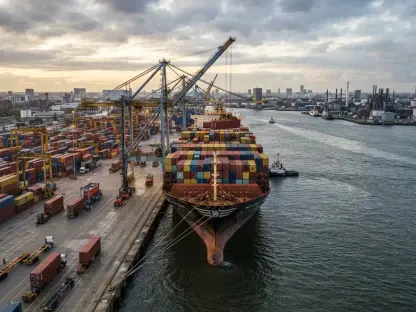
Beyond the immediate weather events, the complexity of this El Niño is compounded by its interaction with long-term climate trends that have warmed the oceans over the last several decades. This thermal reservoir in the Pacific is now capable of sustaining extreme weather anomalies for longer durations than previously recorded, which is particularly dangerous for maritime trade routes and coastal infrastructure that are not built for such sustained pressure. In the Pacific Northwest and parts of South Africa, the shift in moisture transport has led to erratic rainfall that alternates between heavy flooding and prolonged dry spells. These fluctuations make it nearly impossible for local agencies to manage water resources effectively or maintain the integrity of vital transportation corridors. The resulting uncertainty has triggered a ripple effect through the global logistics industry, as shipping schedules and port operations are constantly adjusted to account for unpredictable sea conditions and dangerous wind speeds.
Macroeconomic Consequences: A Trillion-Dollar Drain
Financial Volatility: Impact on Emerging Markets
From a financial perspective, the current cycle is projected to be one of the most expensive environmental events in history, with analysts estimating a potential $7 trillion drain on the global economy through 2031. High-intensity cycles can wipe out as much wealth in a single year as the entire annual economic output of a nation like Mexico, representing a direct hit to global prosperity. These losses hit lower-income countries the hardest, as they often lack the fiscal reserves to deal with the simultaneous shocks of rising inflation, infrastructure destruction, and high energy costs. For these nations, the economic shock is particularly pronounced in the commodities markets, where the price of essential goods is being driven up by supply shortages and increased production costs. As these countries divert limited resources toward disaster relief and reconstruction, their long-term development goals are sidelined, which creates a cycle of economic stagnation and increased reliance on foreign aid.
Systemic Risks: Insurance and Energy Sector Strain
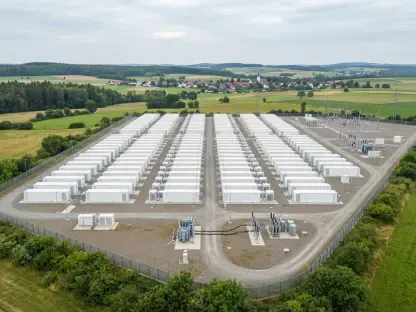
The systemic nature of these economic losses means that no sector is truly insulated from the fallout during this intense atmospheric cycle. Insurance and reinsurance markets are already feeling the strain, with premiums for property and agricultural coverage reaching record highs in many parts of the world. This increase in the cost of risk is forcing businesses to reconsider their investment strategies in regions prone to El Niño-related disasters. Furthermore, the disruption of energy production—particularly in countries that rely heavily on hydroelectric power—is creating localized energy crises that hamper industrial output. In South America, reservoirs have dropped to critical levels, leading to power rationing and increased operational costs for manufacturing hubs. These localized issues quickly become global problems as they disrupt the production of key components for international supply chains, proving that the phenomenon is fundamentally altering the global cost of business operations.
Global Response: Resilience and Mitigation Strategies
Humanitarian Relief: Addressing the Agricultural Lag Effect
Agriculture is bearing the brunt of these weather shifts, creating a significant crisis in the “global rice bowl” of Southeast Asia and India, where failed monsoons threaten food security. In regions like Sudan, the combination of civil war and drought has pushed nearly 20 million people into acute hunger, yet humanitarian agencies face a $300 million funding shortfall. A major obstacle in addressing these crises is the “lag effect,” where the full impact of a drought on food security is not felt until six to twelve months after the initial weather shift. This delay often results in a lack of urgency among international donors, as the crisis remains invisible until it reaches a catastrophic tipping point. By the time the world notices the famine, the window for cost-effective intervention has often closed, highlighting the need for a fundamental change in how global aid is allocated. Transitioning to a model of anticipatory action that leverages climate data is essential to protect these populations.
Future Mitigation: Strengthening Institutional Frameworks
Navigating the challenges posed by this powerful climate cycle required an unprecedented level of global cooperation and investment in resilient infrastructure across every continent. Leaders across the public and private sectors recognized that traditional methods of climate adaptation were no longer sufficient to protect the economy from such a formidable force. The transition from monitoring the “wrecking ball” to actively mitigating its impact became a top priority for international organizations and financial institutions. It was determined that the only path forward involved the integration of advanced meteorological forecasting into economic planning and the expansion of humanitarian funding to cover predicted gaps in food supplies. By treating El Niño as a systemic financial risk, stakeholders were able to implement more effective strategies for resource management and disaster preparedness. This proactive approach provided a roadmap for stabilizing the agricultural infrastructure and protected populations.