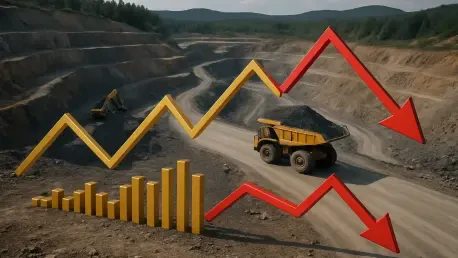
The transition to a green economy has created a policy-driven demand environment that favors companies with domestic supply chains and strategic infrastructure. Historically, the natural resource sector operated on a relatively simple premise: buy mining stocks when commodity prices rose and sell
Since its 2023 debut on the ASX, the fund has expanded to manage over $92 million in assets with more than 7.3 million units currently outstanding. This rapid growth highlights a significant shift in how modern Australian investors perceive the commodities market, moving away from the cumbersome

The silent shadows cast by dozens of oil tankers lingering outside the Persian Gulf serve as a grim reminder that the primary arteries of global commerce are currently being squeezed by a tightening geopolitical vice. As the standoff between Washington and Tehran intensifies, the flow of goods that

Social trading features, such as those pioneered by eToro, allow Australian users to automatically mirror the gold trading strategies of experienced investors within a communal digital ecosystem. This technological integration has redefined the landscape for retail participants who previously felt
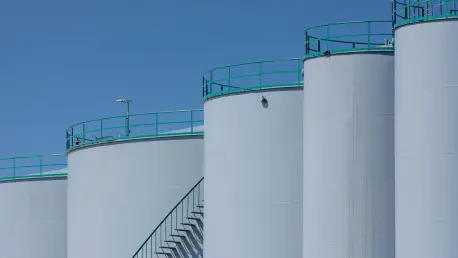
Deep beneath the sun-scorched plains of the Gulf Coast, the subterranean cathedrals of salt that have long anchored America’s energy security are beginning to show signs of terminal exhaustion. These salt domes, located in Louisiana and Texas, were once considered an impregnable fortress of crude
The rise of social trading ecosystems allows investors to mirror the real-time strategies of professional traders who specialize in global energy benchmarks. This technological advancement has essentially flattened the hierarchy of the commodities market, providing individuals with the same caliber