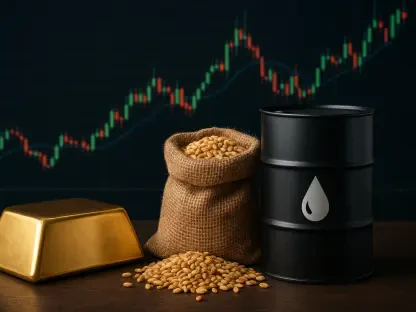

Former Goldman Sachs analysts note that the current surge in raw material prices is a clear indicator of a long-term physical economy deficit. This shift represents a significant departure from the previous decade, where digital innovation and software-as-a-service dominated investor attention and
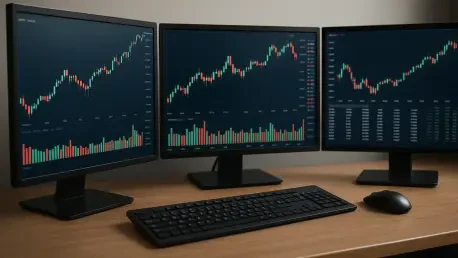
The volatility inherent in global raw material markets has transformed commodities from a quiet institutional backdrop into the primary engine of modern portfolio diversification for European investors. As of late, the intersection of geopolitical shifts and the rapid digitization of financial

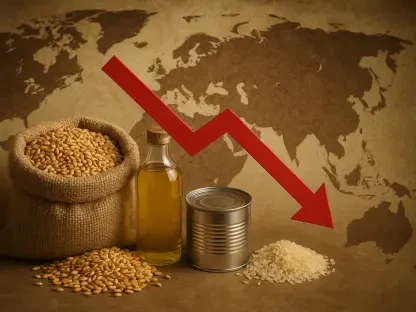
While grain prices are trending upward, a sharp 7.5 percent jump in crude oil prices is threatening to erode farm profitability by driving up the costs of diesel and nitrogen-based fertilizers. This specific paradox defines the current agricultural landscape as the 2026 growing season approaches

Sustainable investment researchers at Barclays warn that the impending El Niño cycle will be roughly 15% more intense than the previous record set in 2015. This historic climate shift is currently manifesting as a rare "super El Niño" event, characterized by sea surface temperatures in the tropical
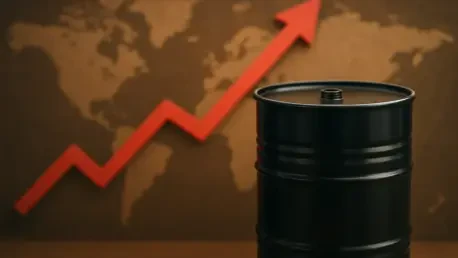
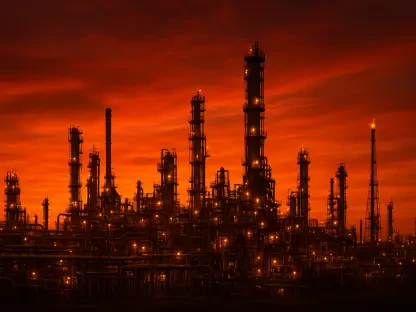
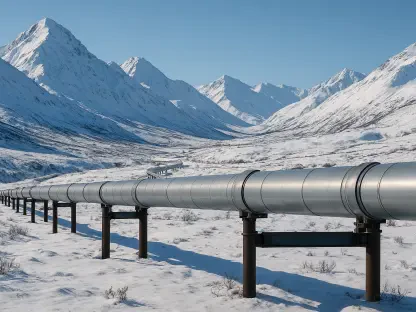
A smoke and mirrors environment has taken hold of energy markets as regional producers utilize clandestine ship-to-ship transfers to circumvent the ongoing naval blockade. This tactical evolution suggests that the volatility once viewed as a temporary disruption has transitioned into a permanent
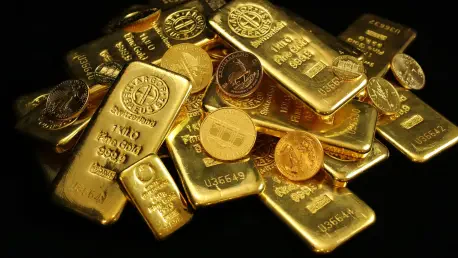
Deep beneath the limestone of the Swiss Alps, a silent logistics crisis is unfolding as the world’s most concentrated form of wealth literally runs out of room to exist. This is not a shortage of the precious metal itself, but rather a total exhaustion of the high-security infrastructure required